
New Construction vs Resale Homes in Colorado Springs (2026)

New Construction vs Resale Homes in Colorado Springs (2026): Which One Actually Makes Sense for You?
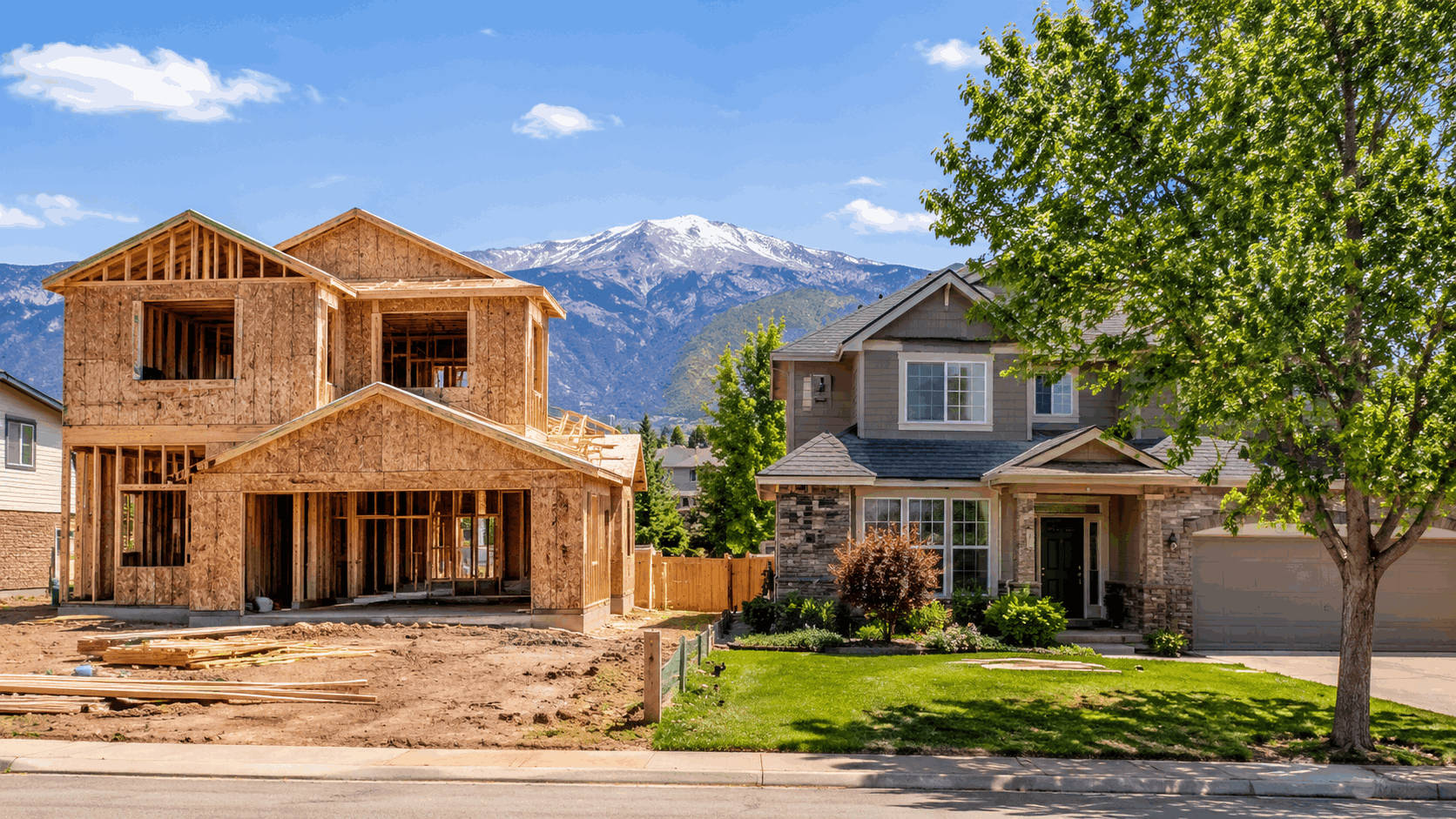
Here's the short answer: new construction usually wins if you want modern systems, current energy code, a builder warranty, and you can live with a longer timeline and a few costs the base price doesn't show. Resale homes usually win if you want an established neighborhood, a finished yard, more room to negotiate, and a faster move. Neither one is automatically the better deal. The right pick depends on your budget, your timeline, and how much "finishing" you're willing to do after closing.
We're Crystal Sisler and Shawn Bedel with Everyday Properties & Investments, powered by eXp Realty. We're Colorado natives, we live in Meridian Ranch out in Peyton, and new construction and resale are both a big part of what we do across the Pikes Peak region. This guide walks through the real trade-offs, the Colorado-specific stuff most people miss, and the questions to ask before you sign anything.
New Construction vs Resale at a Glance
|
Factor |
New Construction |
Resale Home |
|---|---|---|
|
Condition |
Brand new systems, roof, and appliances |
Varies widely; age of roof, furnace, and water heater matters |
|
Energy code |
Built to the currently adopted code at permit time |
Built to whatever code applied when it was built |
|
Warranty |
Builder warranty (terms vary by builder) |
Usually none, unless a home warranty is purchased |
|
Timeline |
Weeks (spec/quick move-in) to many months (to-be-built) |
Often 30 to 45 days under contract, depending on financing |
|
Contract |
Usually the builder's own contract |
Usually the standard Colorado Real Estate Commission forms |
|
Negotiation |
Builders tend to protect base price; incentives move instead |
Price, repairs, credits, and terms are all on the table |
|
Yard and extras |
Fencing, window coverings, and sometimes backyard landscaping are often on you |
Often already done |
|
Location |
Mostly on the growing edges of the region |
Every part of town, including established central areas |
|
Metro district disclosure |
Required by Colorado law for newly constructed homes in a metro district |
That specific statute doesn't apply; you'll do more of your own homework |
Why Buyers Choose New Construction
Everything is new, and it's built to current code
The biggest draw is obvious: nothing is worn out yet. Across the Pikes Peak region, the Pikes Peak Regional Building Department lists the 2021 International Energy Conservation Code and the 2021 International Residential Code as its currently adopted codes. A home permitted under that code is generally going to be tighter and more efficient than one built a couple of decades ago. That doesn't guarantee a lower utility bill in every case, but it's a real difference in how the house was put together.
You get a builder warranty
Most builders include a warranty, often structured in tiers that cover workmanship for a shorter period, systems for longer, and structural elements for the longest. The catch: every builder's warranty is different. Read it before you sign, not after something breaks. Ask what's covered, how claims work, and whether it's handled in-house or by a third-party warranty company.
You get to make it yours (sometimes)
With a to-be-built home, you pick the floor plan, the lot, and your finishes. With a spec or "quick move-in" home, the builder already made most of those choices, but you get a much shorter timeline. Both are new construction. They're just very different experiences.
What New Construction Costs That the Base Price Doesn't Show
This is where people get surprised. The number on the sign is the starting line, not the finish line.
- Lot premiums. Corner lots, backing to open space, or a view can add to the price.
- Design center upgrades. Flooring, cabinets, counters, and electrical add-ons can stack up fast. Set a budget before you walk into the design studio, because that room is built to make everything look essential.
- Things that aren't included. Depending on the builder, window coverings, fencing, backyard landscaping, and some appliances may not be part of the deal. Ask for a written list of what's included.
- Metro district taxes. A lot of newer communities in Colorado are inside a metropolitan district, which can add to your property tax bill. More on that below, because it deserves its own section.
- Rate risk on long builds. If your home takes many months to build, your interest rate situation can change before closing. Talk to your lender early about rate lock options and what they cost.
Why Buyers Choose Resale Homes
The neighborhood is already finished
With a resale home, what you see is what you get. The trees are grown in, the streets are paved, the parks are built, and you're not living next to an active construction site. You can drive the neighborhood at rush hour and on a Saturday and know exactly what daily life there looks like.
More room to negotiate
Resale sellers are people, not corporations with a pricing strategy across 200 lots. Depending on the market, price, inspection repairs, seller credits toward closing costs, and closing dates can all be negotiated. Builders are more likely to offer incentives than cut the base price, because a price cut on one home affects the comps for every home they still have to sell.
More location options
New construction around Colorado Springs tends to happen where there's land to build on, which mostly means the edges of the region: the northeast, the east side, the Falcon and Peyton area, and parts of the south. If you want to be closer to downtown, Old Colorado City, or an established area on the west or north side, resale is usually the main option.
The extras are often already done
Fencing, blinds, landscaping, a finished basement, a shed, a deck. Those things cost real money and time on a new build. On a resale home, they're frequently already there and baked into the price.
The trade-off: you're inheriting someone else's maintenance
A 20-year-old roof, a tired furnace, or a water heater on borrowed time are real costs. That's why a good inspection and a smart inspection objection strategy matter so much on resale. Our Home Inspection Process guide goes deeper on that.
Metro Districts: The Part Everyone Should Understand
A metropolitan district is a special taxing district that often helps fund roads, water, sewer, parks, and other infrastructure in newer communities. It's common in the Colorado Springs area, and it can affect your property tax bill.
Colorado law, C.R.S. 38-35.7-110, requires sellers of a newly constructed home located inside a metro district to give the buyer specific disclosures at or before contract signing. Since January 1, 2022, that includes the district's service plan (or a link to it), its debt authority, its maximum debt service mill levy and operating mill levy, other fees, and an estimate of the district taxes for the year of sale based on the purchase price.
Here's the gap: that statute is written for newly constructed homes. If you're buying a resale home in a metro district, don't assume you'll get the same package. You can research it yourself:
- Look up the parcel through the El Paso County Assessor to see tax details for a specific property.
- Check the El Paso County Treasurer's mill levy table, which lists levies by taxing entity, including metro districts.
- Ask for the most recent tax bill on the home, and read the metro district's own website if it has one.
Two homes at the same price can carry noticeably different annual tax bills depending on the districts they sit in. That changes your monthly payment, so it's worth a few minutes of homework either way. Our HOA vs Metro District guide breaks down the difference between the two.
HOAs and Covenants Are Real on Both Sides
A lot of newer Colorado Springs communities come with an HOA and recorded covenants, and many established neighborhoods have them too. Read them. They cover things like fences, paint colors, parking, landscaping, and yes, trash cans.
We'll admit it: we've personally received more than a handful of covenant notices in Meridian Ranch for not pulling our trash cans back up the same day they were emptied. Nobody's perfect. But it's a good reminder that covenants get enforced, so know what you're signing up for before you fall in love with the floor plan.
Colorado-Specific Things to Know Before Buying New Construction
The builder's contract is not the standard contract
Resale purchases in Colorado typically use standard forms approved by the Colorado Real Estate Commission. Builders usually use their own contracts, written by their attorneys, to protect the builder. Deadlines, deposit terms, what happens if construction is delayed, and how disputes are handled can look very different. Read every page, and if something in it worries you, a real estate attorney can review it. We're Realtors, not attorneys, so for legal questions on a specific contract, that's who you want.
Construction defect timelines exist
Colorado has a statute of repose for construction defect claims, C.R.S. 13-80-104, which generally limits claims to six years after substantial completion, with a provision for claims that arise in the fifth or sixth year. This is separate from your builder warranty. If you ever think you have a defect issue, talk to an attorney promptly instead of waiting.
Inspect new construction anyway
"It's brand new, why would I inspect it?" We hear it all the time. New homes are built by people, on deadlines, with a lot of trades coming in and out. Many buyers get a pre-drywall inspection (to see framing, plumbing, and electrical before it's covered) and a final inspection before closing. Some also schedule one before the first-year warranty runs out. Ask the builder up front what inspections they allow and when.
Bring your agent on the first visit
Many builders have registration policies that require your agent to be with you, or registered, on your very first visit to the community. Walk into the model alone and you may lose the ability to have your own representation on that home. The on-site sales rep works for the builder. That's not a knock on them; it's just their job. You deserve someone whose job is you.
Preferred lender incentives: compare the whole picture
Builders often offer incentives, like help with closing costs or a rate buydown, when you use their preferred lender. Sometimes that's a great deal. Sometimes another lender beats it. Get a written Loan Estimate from both and compare the full cost, not just the headline. Our Builder Incentives Explained article covers how to evaluate these.
Which One Fits Your Situation?
This isn't about what kind of person you are. It's about what you need from the purchase.
New construction may make more sense if:
- Your timeline is flexible, or a quick move-in spec home matches your dates
- You'd rather pay for upgrades up front than repairs down the road
- Warranty coverage and current energy code matter to you
- You're comfortable living near ongoing construction for a while
- You've budgeted for fencing, window coverings, and landscaping
A resale home may make more sense if:
- You need to close on a set timeline, like a job start or a PCS report date
- You want a specific established area that doesn't have land left to build on
- You want room to negotiate on price, repairs, or credits
- You'd rather move into a finished yard and neighborhood
- You're open to updating a home over time
For our military clients on a PCS timeline, both can work. A spec home that's already close to done can line up nicely with report dates, and a resale home gives you a more predictable closing. If you're using a VA loan, ask your lender how it applies to the specific home you're considering, since new construction and resale can be handled a little differently. Our VA Home Buying Guide covers the basics.
The Trade-Offs, Because We'll Be Straight With You
- New construction is rarely "move in and done." Expect a list of extras and a punch list after closing.
- Resale homes come with history. Some of it's charming. Some of it is a 1990s water heater.
- Builder timelines slip. Weather, materials, and inspections all play a part. Don't sell your current home on a guess.
- Resale competition depends on the market. In a hot stretch, the best homes can go fast. In a slower one, you've got leverage. Our Colorado Springs Housing Market Explained article can help you read the room.
- Both can carry metro district and HOA costs. Know the total monthly number, not just the mortgage payment.
Frequently Asked Questions
Is new construction more expensive than resale in Colorado Springs?
Not always, but the total cost often runs higher than the base price suggests. Once you add lot premiums, design upgrades, window coverings, fencing, and landscaping, the gap between a new home and a comparable resale home can grow. Compare finished, move-in-ready costs side by side.
Do I need a Realtor to buy a new construction home?
You don't legally need one, but having your own representation is usually smart. The builder's sales rep represents the builder. Your agent helps you review the builder contract, compare incentives, plan inspections, and keep an eye on deadlines. Just make sure your agent is with you or registered on your first visit, since many builders require it.
Should I get a home inspection on a brand-new house?
Yes. Many buyers get a pre-drywall inspection and a final inspection before closing, and some add one before the first-year warranty expires. Ask the builder in writing what inspections they allow.
How long does it take to build a new home in Colorado Springs?
It varies a lot by builder, community, and season. Spec and quick move-in homes may be ready in weeks, while a to-be-built home can take many months. Get the builder's estimated timeline in writing and ask what happens if it's delayed.
What is a metro district and does it affect my taxes?
Yes, it can. A metro district is a special taxing district that funds infrastructure in many newer Colorado communities, and its mill levy is added to your property tax bill. Colorado law requires specific metro district disclosures when you buy a newly constructed home inside one, and you can look up levies through the El Paso County Treasurer for any property.
Can I negotiate with a builder?
Usually, just not always on base price. Builders are more likely to offer closing cost help, rate buydowns, or upgrade credits than cut the price. Resale homes typically offer more flexibility on price and repairs.
Thinking About New or Resale? Let's Talk It Through
If you're weighing new construction against resale homes in Colorado Springs, Peyton, Falcon, Monument, or anywhere in the Pikes Peak region, we can help you compare real costs, read builder contracts with a critical eye, and figure out which path fits your budget and timeline. And if you want us with you on that first model home visit, even better. Call or text Crystal Sisler and Shawn Bedel with Everyday Properties & Investments, powered by eXp Realty, at 719.238.1771.
Categories
Recent Posts