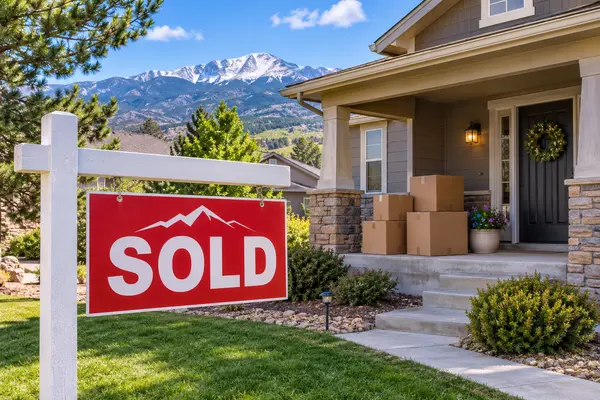

Selling Your Home in Colorado Springs: 2026 Complete Guide


Complete Guide to Selling Your Home in Colorado Springs (2026): Every Step From Prep to Closing Day
Selling your home in Colorado Springs comes down to five things: knowing your numbers, pricing it right the first time, making it look its best before a single buyer walks in, negotiating the offer and the inspection like a pro, and keeping your contract deadlines on track until the title company hands you the keys to your next chapter. That's the whole game. The details are where sellers win or lose money, so this guide walks through every step in order, with the Colorado-specific stuff you actually need to know.
We're Crystal Sisler and Shawn Bedel with Everyday Properties & Investments, powered by eXp Realty. We're Colorado natives, we live in Meridian Ranch in Peyton, and we've helped more than 300 families buy and sell across the Pikes Peak region. We also own Everyday Staging, so we have opinions about throw pillows. Strong ones.
Quick Answer: The Home Selling Process in Colorado Springs, Step by Step
- Get clear on your goals and timing. Where are you going, when do you need to be there, and do you need this sale to buy the next place?
- Know your numbers. Mortgage payoff, estimated selling costs, and what you'll realistically walk away with.
- Choose your listing agent and sign the listing agreement.
- Price the home using recent comparable sales and current competition, not your neighbor's hopes and dreams.
- Prep the home: repairs, cleaning, decluttering, and staging.
- Professional photos, video, and marketing, then go live on the MLS.
- Showings and feedback.
- Review and negotiate offers.
- Get through the contract period: disclosures, inspection, appraisal, title, and HOA documents.
- Close and hand over possession.
Now let's get into the parts that actually move your bottom line.
What the Colorado Springs Market Looks Like for Sellers Right Now
Here's the straight version, using the most recent full month available. According to the Colorado Association of REALTORS Local Market Update for El Paso County (September 2026), single-family homes in El Paso County looked like this:
|
Single-family metric (El Paso County) |
September 2025 |
September 2026 |
|---|---|---|
|
Median sales price |
$481,000 |
$484,700 |
|
Days on market until sale |
51 |
50 |
|
Percent of list price received |
98.8% |
99.1% |
|
Inventory of homes for sale |
3,532 |
3,619 |
|
Months supply of inventory |
4.1 |
4.3 |
|
Sold listings |
870 |
780 |
What that means in normal-person language: prices are roughly flat year over year, homes are taking around seven weeks to sell, and buyers have plenty of choices. Sellers are still getting close to list price on average, but keep in mind the report notes those price figures don't account for seller concessions. In a market with four-plus months of supply, a lot of deals include concessions like help with closing costs or a rate buydown, and that money comes out of your pocket even if the sale price looks great.
The takeaway: this is not a "list it on Friday, ten offers by Sunday" market. It's a market that rewards sellers who price accurately and show up looking sharp. Homes that are overpriced or underprepared sit, and buyers notice. Market conditions also vary a lot by price point and area, so the numbers for a resale in Old Colorado City won't look the same as new construction out in Falcon or Peyton.
Step 1: Know Your Goals and Your Timing
Before you think about paint colors, answer a few questions honestly:
- Do you need to sell before you buy? If your down payment is tied up in this house, your sale and your purchase are connected, and the plan needs to account for that.
- Is there a hard deadline? A job start date, PCS orders, a lease ending, or a new build that's finishing up all change how you price and negotiate.
- Are you staying in the area? Moving across town and moving across the country are very different logistics.
- What does "success" mean to you? Highest price, fastest sale, fewest headaches, or the most flexible move-out date. You can usually optimize for two. Rarely all four.
For military sellers, the timeline is often set by orders, not the market. If that's you, start the conversation as early as you can so you have options like selling, renting, or offering your VA loan as an assumable loan (which can be a big selling point when your rate is lower than today's rates, though assumptions come with their own rules and timelines).
Step 2: Know Your Numbers Before You List
Your sale price is not what you take home. Before you list, you want a realistic estimate of your net proceeds. Common seller costs in Colorado include:
- Mortgage payoff, including any home equity loans or lines of credit. Request a payoff figure from your lender, since it's not the same as the balance on your statement.
- Real estate commissions, which are negotiable. How compensation for the buyer's agent is handled is also something you'll discuss and decide with your listing agent.
- Title and closing costs, such as the owner's title insurance policy and the title company's closing fee. Who pays what is set by the contract and is negotiable.
- Prorated property taxes. Colorado property taxes are paid in arrears, so at closing you'll usually credit the buyer for the portion of the year you owned the home.
- HOA and metro district items, such as status letters, transfer fees, or any dues owed through closing. These vary by community.
- Seller concessions you agree to in negotiation.
- Repairs before listing or after the inspection.
A good listing agent should hand you a net sheet before you sign anything. If someone gives you a big list price and no net sheet, ask for one. Then ask how they got there.
What About Taxes on the Sale?
Many homeowners don't owe federal tax on the gain from selling their main home. Under the IRS rules, if you meet the ownership and use tests (generally owning and living in the home for at least two of the five years before the sale), you may be able to exclude up to $250,000 of gain, or up to $500,000 if you're married filing jointly. The details and exceptions are on IRS Topic 701, Sale of Your Home. We're Realtors, not CPAs, so if you've rented the home out, have a large gain, or are a military seller with time away on orders, talk to a tax professional before you list.
Step 3: Choose Your Listing Agent
You're hiring someone to protect what's probably your biggest asset, so interview like it matters. Questions worth asking:
- How did you arrive at this price, and which sales did you use?
- What exactly is included in your listing package? Photos, video, staging, marketing, pre-listing advice?
- How will you handle offers with concessions, VA or FHA financing, or appraisal gaps?
- How do you communicate during the listing and contract period, and how often?
- What happens if the home isn't getting showings after the first couple of weeks?
In Colorado, the listing agreement is a contract. Read the term (how long it lasts), the compensation terms, and what happens if you want to cancel. A good agent will walk you through it line by line instead of sliding it across the table with a pen.
Step 4: Price It Right the First Time
Pricing is the single biggest decision you'll make. Buyers and their agents in Colorado Springs see every new listing the moment it hits, and the first couple of weeks are when your home gets the most attention. Overprice it and you burn that window on people who use your house to make the one down the street look like a better deal.
A solid price is built from:
- Recent comparable sales: similar size, age, condition, lot, and location, ideally from the last few months.
- Active competition: what buyers will compare you to this weekend, including new construction nearby. In areas like Falcon, Peyton, and the northeast side of Colorado Springs, builders are often your real competition, and they can offer incentives most resale sellers can't match.
- Pending sales: the freshest signal of what buyers are paying right now.
- Condition and upgrades, valued the way buyers and appraisers value them, not the way your receipts do.
Online value estimates are a starting point for conversation, not a price. They can't see your new kitchen or the fact that your backyard backs to a busy road.
Price Reductions Aren't a Failure, Waiting Too Long Is
If your home is getting showings but no offers, the market is telling you something about price or condition. If it's not getting showings at all, it's usually price, photos, or both. Have a plan with your agent before you list for when you'll review the data and adjust. Chasing the market down in tiny steps over months usually costs more than one smart adjustment early.
Step 5: Prep the Home for Listing
Buyers decide a lot in the first few seconds, first on their phone and then at your front door. Prep is where you get the most return for the least money.
Repairs Worth Doing
- Fix the small stuff buyers and inspectors will flag: dripping faucets, sticky doors, burned-out bulbs, missing outlet covers, loose railings.
- Service the furnace and get the roof and gutters looked at if they're due. Colorado Springs weather is not gentle on roofs, and hail history is something buyers and insurers ask about.
- Touch up paint, especially scuffed walls and trim.
- Consider a pre-listing inspection if your home is older or you suspect issues. It lets you fix or disclose on your terms instead of finding out during negotiations.
Radon: Know Before They Ask
Radon testing is common during inspections in this area. El Paso County Public Health has information on radon and testing. If you already have a mitigation system, gather the paperwork. If you've never tested, it's worth discussing with your agent before you list so a result doesn't surprise you mid-contract.
Declutter Like You're Already Moving (Because You Are)
Pack up the stuff you won't need for the next couple of months: extra furniture, personal photos, collections, half the coats in the entry closet. Buyers want to see the house, not your stuff. Closets and garages count, because buyers open everything.
Don't Forget Curb Appeal and Your HOA
Mow, trim, sweep, power wash, and make the front door look like someone cares about it. If you live in a covenant-controlled community, your HOA's rules don't take a break just because you're listed. We say this with love and experience: we've personally received more than a handful of covenant notices for not pulling our trash cans back up the same day they were emptied here in Meridian Ranch. A trash can sitting at the curb in your listing photos is not the vibe.
Step 6: Staging, Photos, and Marketing
Your listing photos are your first showing. Most buyers will see your home online long before they see it in person, and plenty will decide from the photos whether to bother at all.
Why Staging Matters
Staging helps buyers understand how rooms work, makes spaces feel the right size, and makes photos look like a place someone wants to live. Because we also own a professional staging company, Everyday Staging, professional staging is included in our listing packages. We don't treat it as an upsell, because a well-staged home photographs better and shows better, and that's the whole point. Whether your home is vacant or you're still living in it, there's a staging approach that fits.
Professional Photography and Video
Phone photos with the lights off are how great homes end up looking average. Professional photography, good lighting, and in many cases video or a virtual tour help your listing stand out when buyers are scrolling through dozens of homes in the same price range.
Going Live
Once your home hits the MLS, it gets shared out to the major home search sites. A strong launch has everything ready on day one: photos, a description that tells buyers what actually makes the home great, accurate details, and any key documents your agent wants available up front.
Step 7: Showings
- Keep the home show-ready: beds made, counters clear, lights on, temperature comfortable.
- Plan for pets during showings. Not every buyer is a dog person, and some are allergic.
- Leave during showings. Buyers can't picture themselves living there while you're hovering in the kitchen.
- Ask your agent to share feedback, and take it as data, not a personal insult.
Step 8: Reviewing and Negotiating Offers
The highest price is not automatically the best offer. Look at the whole package:
|
Offer term |
Why it matters |
|---|---|
|
Price |
Obvious, but only half the story. |
|
Concessions |
Money you pay toward the buyer's costs reduces your net. Compare offers on what you take home. |
|
Financing type |
Cash, conventional, VA, FHA, and USDA loans each have different appraisal and property requirements. VA and FHA appraisals include property condition requirements that can lead to repair requests. |
|
Earnest money |
Shows the buyer's commitment and how much is at stake if they walk away outside the contract's protections. |
|
Appraisal terms |
Some buyers offer to cover part of a gap if the appraisal comes in low. |
|
Deadlines |
Shorter inspection and loan deadlines mean less time in limbo. |
|
Closing and possession dates |
Make sure they work with your move, especially if you're buying too. |
|
Contingencies |
A buyer who needs to sell their own home first adds risk to your timeline. |
Colorado uses standardized contract forms approved by the Colorado Real Estate Commission, which means the structure of offers is consistent. The differences are in the dates, dollars, and terms filled in. That's where a good negotiator earns their keep.
Step 9: Under Contract: Disclosures, Inspection, Appraisal, and Title
Getting under contract is a big moment, but you're not done. Colorado contracts are deadline-driven, and each deadline is a point where the deal can be renegotiated or fall apart if something goes sideways.
Seller Disclosures
Colorado sellers typically complete a Seller's Property Disclosure, a Real Estate Commission approved form, covering what you know about the home's condition. Be honest and thorough. If you know about it, disclose it. If your home was built before 1978, federal law also requires a lead-based paint disclosure. Disclosures protect you, and a surprise discovered later is a much bigger problem than a known issue disclosed up front.
Inspection and Inspection Objections
Most buyers will have the home inspected and then send an inspection objection listing items they want addressed. You can agree to fix items, offer a credit or price reduction, or decline. The buyer then decides whether to move forward. Stay calm, focus on items that are real concerns (safety, systems, structure, water), and don't get dragged into a fight over a cracked outlet cover. Credits are often cleaner than repairs, but lenders have rules about what can be credited, so loop in your agent before you agree to anything.
Appraisal
If the buyer is financing, the lender will order an appraisal. If it comes in at or above the contract price, great. If it comes in low, the options usually include the buyer covering the gap, you reducing the price, splitting the difference, challenging the appraisal with better comparable sales, or the buyer terminating under the contract's appraisal provisions. Accurate pricing at the start is the best protection here.
Title and HOA Documents
The title company will run a title search and issue a commitment. If you live in an HOA or metro district community, which is very common in newer parts of Colorado Springs, Peyton, Falcon, and Monument, the buyer will receive the association documents, and there may be status letters or fees involved. Getting your HOA contact info to your agent early keeps this from becoming a last-minute scramble.
Step 10: Closing Day and Moving Out
In Colorado, closings are typically handled by a title company. Expect to sign the deed and closing documents, provide ID, and confirm how you want your proceeds delivered. Watch out for wire fraud: always verify wiring instructions by calling the title company at a phone number you know is real, never one from an email.
Before closing:
- Schedule utility transfers or shutoffs for the day after closing.
- Leave keys, garage remotes, mailbox keys, and amenity cards for the buyer.
- Leave the home in the condition the contract requires, which generally means broom clean and with all included items still in place.
- Expect a final walkthrough by the buyer.
- Update your mailing address and cancel or transfer home insurance after closing, not before.
The Most Common Mistakes We See Sellers Make
- Overpricing to "leave room to negotiate." Buyers don't negotiate on homes they never tour.
- Skipping prep. The money you save not painting is often money you give back in price or concessions.
- Ignoring new construction competition. If builders nearby are offering incentives, buyers will compare.
- Comparing offers on price alone. Always compare net proceeds and risk.
- Not disclosing known issues. It's the wrong thing to do and it creates real risk.
- Treating the inspection like an insult. It's a business negotiation. Keep it that way.
Frequently Asked Questions
How long does it take to sell a house in Colorado Springs?
It often takes around seven weeks from listing to sale, plus closing time. In September 2026, single-family homes in El Paso County had a median of 50 days on market until sale, according to the Colorado Association of REALTORS. Add roughly 30 to 45 days for a typical financed closing, depending on the contract dates. Price, condition, and location can make your timeline much shorter or longer.
What does it cost to sell a home in Colorado?
It depends on your commission agreement, title and closing fees, prorated property taxes, HOA costs, repairs, and any concessions you agree to. Because commissions and many costs are negotiable, the best way to know is to get a detailed net sheet from your listing agent based on your actual home and price.
Do I have to fix everything the buyer asks for after the inspection?
No. In Colorado, you can agree to some, all, or none of the buyer's inspection objection, or offer a credit or price reduction instead. The buyer then decides whether to continue under the contract's terms. Focus your energy on significant safety, system, and structural items.
Should I sell my house as-is in Colorado Springs?
You can, but "as-is" doesn't remove your duty to disclose known issues, and buyers will still inspect. Selling as-is can make sense when repairs are major or you're short on time. Just know that buyers usually price the work in, and VA or FHA buyers may need certain conditions addressed for their loan.
Is now a good time to sell in Colorado Springs?
It can be, if you price and prepare correctly. With prices roughly flat year over year and about four months of supply in September 2026, buyers have options, so the sellers who do best are the ones who price accurately from day one and present the home well. Your own timing and goals matter more than trying to time the market perfectly.
Do I have to pay capital gains tax when I sell my house?
Often not, if it's your primary residence and you qualify for the IRS exclusion of up to 250,000ofgain(500,000 for married couples filing jointly). Rules and exceptions apply, so check IRS Topic 701 and talk with a tax professional about your situation.
What should military homeowners know about selling in Colorado Springs?
Start early, because orders set the timeline. Your options may include selling, renting the home, or marketing your VA loan as assumable if your rate is attractive. Each path has different financial and tax considerations, so pair real estate advice with guidance from your installation's resources and a tax professional.
Ready to Sell? Let's Talk Strategy First
If you're thinking about selling a home in Colorado Springs, Peyton, Falcon, Monument, or anywhere in the Pikes Peak region, we'd be happy to sit down with you, walk through what your home could sell for, what we'd recommend doing (and skipping) before you list, and what you'd realistically walk away with. Professional staging through Everyday Staging is included in our listing packages, and we'll give you the straight answer even when it's not the one you were hoping for.
Call or text Crystal Sisler and Shawn Bedel at Everyday Properties & Investments, powered by eXp Realty, at 719.238.1771.
Categories
Recent Posts