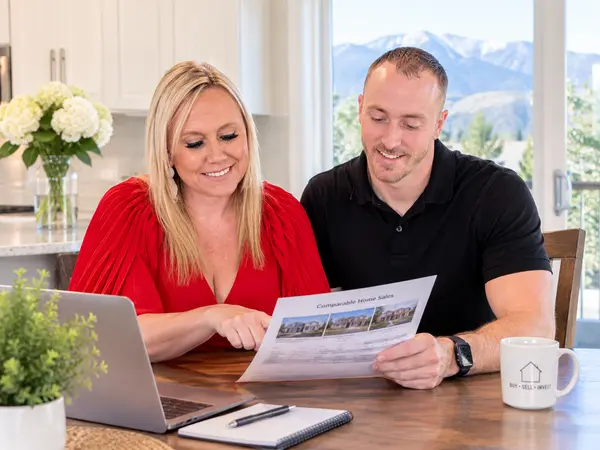

Preparing Your Home for Listing in Colorado Springs (2026)


Preparing Your Home for Listing in Colorado Springs (2026): What Actually Matters Before the Sign Goes Up
Preparing your home for listing comes down to four things: fix what a buyer's inspector will find anyway, clean and declutter until the house feels bigger than it is, get your paperwork and disclosures lined up early, and present the home so it photographs and shows well. Do those in that order and you'll avoid most of the surprises that cost Colorado Springs sellers time and money once they're under contract.
What you don't need to do: gut the kitchen, repaint every room a trendy color, or spend money on projects buyers won't pay for. Below is the practical version, from the first walkthrough to the day the photographer shows up.
Start With a Timeline, Not a To-Do List
Most sellers start by buying paint. We'd rather you start with a calendar. How much prep you need depends on the home's condition and how soon you want to be on the market, so work backward from your target list date.
- 6 to 8 weeks out: Walk the house with your agent, decide what's worth fixing, and get contractor bids for anything bigger than a weekend project.
- 4 to 6 weeks out: Handle repairs, start decluttering, and pull together your HOA, metro district, and utility information.
- 2 to 3 weeks out: Deep clean, finish touch-up paint, tackle the yard, and plan staging.
- The final week: Staging, a last clean, and professional photography.
If you're on a tighter clock, like a military move with PCS orders already in hand, the same steps still apply. You just compress them and focus on the items with the biggest payoff.
Step 1: Fix What an Inspector Is Going to Find Anyway
In Colorado, buyers typically get an inspection period under the state-approved contract, and anything their inspector flags can turn into a repair request or a price conversation. You can deal with obvious issues now, on your schedule and at your price, or deal with them later under a deadline. One of those is a lot less stressful.
The usual suspects
- Dripping faucets, running toilets, and slow drains
- Missing or dead smoke and carbon monoxide detectors
- Burned-out bulbs and switches that don't seem to control anything
- Furnace and water heater maintenance that's overdue (a recent service receipt is a nice thing to hand a buyer)
- Damaged window screens, sticky doors, and loose handrails
- Peeling exterior paint, cracked caulking, and gutters full of last fall's leaves
- Roof issues, which matter here given how often hail shows up along the Front Range
Should you get a pre-listing inspection?
Sometimes. For an older home, a home you haven't lived in for a while, or a house where you suspect something is off, a pre-listing inspection lets you see the report before a buyer does. The trade-off is that once you know about a material defect, you'll need to disclose it. That's not a reason to skip it. It's a reason to decide on purpose.
Radon is worth a look
Radon comes up in a lot of Colorado Springs inspections. The EPA's radon zone map for Colorado places El Paso County in its highest predicted-level zone, and El Paso County Public Health has information on testing and mitigation. If you already have a mitigation system, make sure the fan is running and you know where the paperwork is. If you've tested before, find those results.
Step 2: Get Your Disclosures and Documents Ready Early
This is the step sellers forget, and it's the one that slows down closings. Start gathering now.
- Seller's Property Disclosure. Colorado uses a standard Seller's Property Disclosure form from the Colorado Division of Real Estate, with an updated version for use on or after January 1, 2026. It asks about the roof, systems, water, environmental items, and more. Filling it out honestly and early protects you.
- Lead-based paint disclosure. If your home was built before 1978, federal rules require specific lead-based paint disclosures to buyers. The EPA explains the disclosure rule here.
- HOA and metro district information. Contact info, dues, governing documents, and any transfer or status letter fees. Buyers in master-planned communities around Colorado Springs will ask about this right away.
- Receipts and warranties. Roof replacement, new furnace, water heater, windows, mitigation systems, appliance warranties. Put them in one folder. Buyers love a folder.
- Utility basics. Who provides water, sewer, gas, and electric, and roughly what you pay. Out-of-state buyers in particular appreciate this.
One note: we can explain what these forms ask for, but we're not attorneys. If you have a legal question about what to disclose, talk to a real estate attorney.
Step 3: Declutter Like You're Already Moving (Because You Are)
Buyers aren't buying your stuff. They're buying space, light, and storage, and clutter hides all three. The good news is that anything you pack now is something you don't have to pack later.
- Clear kitchen and bathroom counters down to almost nothing
- Pull about a third of what's in each closet so they look roomy
- Take down most personal photos, kids' artwork, and collections
- Remove extra furniture so rooms are easy to walk through
- Empty the garage enough that a buyer can picture parking in it
- Rent a storage unit or a portable container if you need to
Pets are family, and buyers know that. Still, plan to tuck away food bowls, litter boxes, and dog beds for showings and photos, and have a plan for where the pets go during showings.
Step 4: Clean Deeper Than You Think You Need To
A professionally cleaned home photographs better and shows better. Baseboards, window tracks, light fixtures, grout, the inside of the oven, and the top of the fridge all count. If your home has smells you've stopped noticing (pets, cooking, a basement that's a little musty), fix the source instead of covering it up. Buyers notice heavy air fresheners too.
Step 5: Make Small Updates That Pay Off
Before listing is not the time for a remodel. It's the time for inexpensive updates that make the home feel cared for.
|
Usually worth it |
Usually not worth it before listing |
|---|---|
|
Touch-up or neutral paint where walls are scuffed or bold |
Full kitchen or bathroom remodel |
|
Replacing dated light fixtures and cabinet hardware |
Adding a room or finishing a basement right before you sell |
|
Fresh caulk in kitchens and bathrooms |
High-end custom upgrades tailored to your taste |
|
Professional carpet cleaning or replacing badly worn carpet |
Projects that need permits and won't finish before your list date |
|
Fixing anything that looks broken, even if it's minor |
Brand-new appliances when the current ones work fine |
If you're not sure whether a project makes sense, ask your agent before you spend the money. A five-minute conversation can save you a few thousand dollars.
Step 6: Curb Appeal, Colorado Springs Edition
Buyers decide a lot before they walk in the door, and online buyers decide from your first photo. Our climate adds a few wrinkles:
- Seasonal yard work. In spring and summer, mow, edge, and water so the lawn isn't crunchy. In fall and winter, keep walks and the driveway clear of snow and ice, and rake leaves.
- Sun-faded front doors and trim. High-altitude sun is hard on paint. A fresh coat on the front door is one of the cheapest upgrades out there.
- Fences and decks. Wind and sun wear wood fences and decks fast. Replace broken boards and consider stain.
- House numbers, lights, and the doormat. Small, cheap, and they show up in photos.
- Trash cans out of sight. We're saying this with love and from experience. We live in Meridian Ranch in Peyton, and we've personally collected more than a handful of covenant notices for not pulling our trash cans back up the same day they were emptied. If you're in an HOA community, read your covenants before you list. Nobody wants a violation notice in the middle of a sale, and nobody wants trash cans in the listing photos.
Step 7: Staging and Photos
Staging isn't about making a home look like a furniture showroom. It's about helping buyers understand how each room works and making the space photograph well, since most buyers see your photos long before they see your house.
Because we also own a professional staging company, Everyday Staging, professional staging is included in our listing packages. That means staging and photo prep happen together, so the house looks its best on the day the photographer arrives.
On photo day, open the blinds, turn on every light, put the toilet seats down, hide the cords, and get cars out of the driveway. It sounds basic. It makes a difference.
Step 8: Plan for Showings Before You Go Live
The first stretch on the market tends to bring the most attention, so be ready before it starts.
- Decide on showing windows and notice requirements with your agent
- Make a 15-minute "reset" plan: dishes away, beds made, counters clear
- Store valuables, prescriptions, and important documents securely
- Set the thermostat to something comfortable
- Have a place to go, especially if you have pets or work from home
Frequently Asked Questions
How far in advance should I start preparing my home for listing in Colorado Springs?
About six to eight weeks is a comfortable runway for most homes. That gives you time to get repair bids, declutter, and schedule staging and photos without rushing. Homes in great shape can move faster, and homes needing repairs may need longer.
Do I have to fix everything before I list my house?
No. Focus on safety items, anything that looks broken, and issues an inspector is likely to flag. Bigger items can sometimes be handled through pricing or negotiation instead. Your agent can help you decide which approach fits your home and your timeline.
What disclosures do Colorado home sellers need to provide?
Most residential sellers complete the Colorado Division of Real Estate's Seller's Property Disclosure, and homes built before 1978 also need federal lead-based paint disclosures. HOA and metro district documents usually come into play as well. For legal questions about your specific situation, consult a real estate attorney.
Should I paint before selling my house?
Often, yes, but strategically. Touching up scuffed walls and neutralizing very bold colors tends to help photos and showings. Repainting a whole house that's already in good shape usually isn't necessary.
Is staging worth it if my house is still furnished?
Usually. Staging a furnished home often means editing and rearranging what you have, then adding a few pieces where a room needs help. The goal is a home that photographs well and helps buyers picture how they'd use each space.
Should I test for radon before listing?
It's worth considering. Radon comes up often in El Paso County inspections, and having recent results or a working mitigation system ready can make that part of the inspection conversation smoother. El Paso County Public Health has guidance on testing.
Ready to Get Your Home Market-Ready?
If you're thinking about selling in Colorado Springs, Peyton, Falcon, or anywhere in the Pikes Peak region, we'd be happy to walk through your home with you, tell you what we'd fix, what we'd skip, and how staging fits into the plan. No pressure, just a straight answer. Call or text Crystal Sisler and Shawn Bedel with Everyday Properties & Investments, powered by eXp Realty, at 719.238.1771.
Categories
Recent Posts