
Colorado Springs vs Denver (2026): Which Front Range City Actually Fits Your Life?

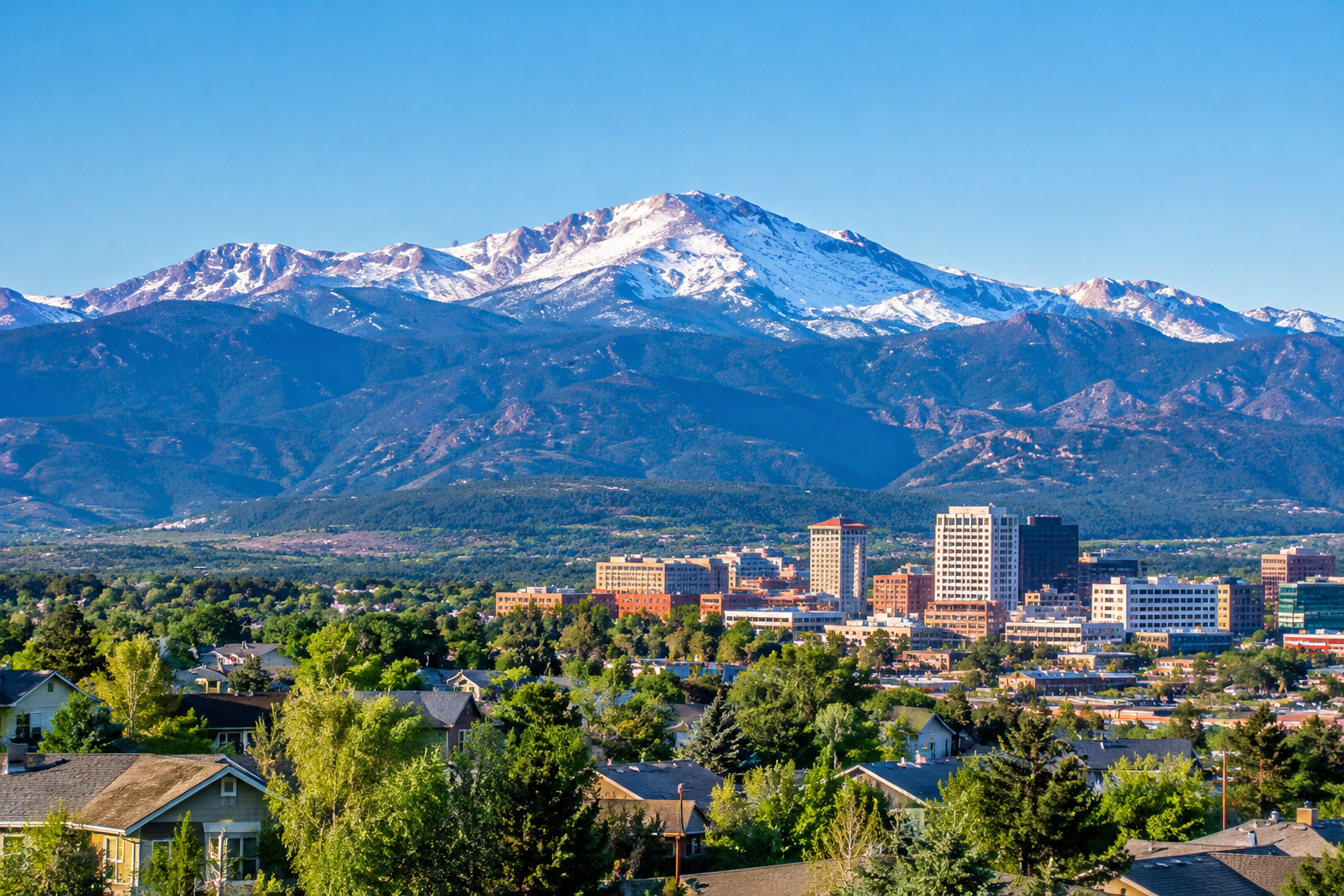
The short answer: Colorado Springs generally gives you more house for the money, a slower pace, and a huge military and aerospace presence. Denver gives you a bigger job market, a major international airport, pro sports, and big-city everything, at a higher price. Neither one is "better." The right pick comes down to where you work, what you can comfortably spend, and how much city you actually want in your daily life.
We're Crystal Sisler and Shawn Bedel, Colorado natives and Realtors with Everyday Properties & Investments, powered by eXp Realty. We live in Meridian Ranch in Peyton, on the east side of the Colorado Springs area, and we get the Springs vs Denver question all the time. So here's the straight comparison, with real numbers where they exist and honest trade-offs where they don't.
Colorado Springs vs Denver at a Glance
Here's the quick side-by-side. Keep in mind the market numbers come from two different MLS reports covering two different geographies, so treat them as a directional comparison, not a perfect apples-to-apples match.
|
Category |
Colorado Springs |
Denver |
|
City population (July 2025 Census estimate) |
494,743 |
740,613 |
|
City land area (2020 Census) |
About 195 square miles |
About 153 square miles |
|
Median value of owner-occupied homes (Census ACS, 2020 to 2024) |
$452,600 |
$616,000 |
|
Recent median sale price, single-family or detached |
$475,000 (El Paso County single-family/patio, August 2026) |
$650,000 (11-county Denver metro detached, year to date through September 2026) |
|
Recent median sale price, condo or attached |
$325,000 (El Paso County condo/townhome, August 2026) |
$365,500 (Denver metro attached, September 2026) |
|
Major airport |
Colorado Springs Airport (COS) |
Denver International Airport (DEN) |
|
Military installations |
Fort Carson, Peterson SFB, Schriever SFB, U.S. Air Force Academy, Cheyenne Mountain SFS |
Buckley Space Force Base (in Aurora) |
Sources: U.S. Census QuickFacts, Colorado Springs, U.S. Census QuickFacts, Denver, Pikes Peak Association of REALTORS August 2026 report, and the DMAR Market Trends Report (October 2026 edition, September data).
Fun fact that surprises almost everyone: Colorado Springs covers more land than Denver, even though Denver has a lot more people. That spread-out footprint explains a lot about how the Springs feels day to day. More driving, more breathing room, fewer high-rises.
Home Prices and Housing: Where Your Budget Goes Further
This is the big one, and it's why most people start comparing these two cities in the first place.
Using the most recent reports, the median single-family sale price in El Paso County ran about $475,000 in August 2026, while the median detached close price across the Denver metro sat at $650,000 year to date through September. That's a gap of roughly $175,000 at the median. Even allowing for the fact that the two reports measure slightly different things, that difference is real, and you feel it in your monthly payment.
What that typically means in practice:
- More square footage or a bigger lot for the same budget in the Colorado Springs area, especially in newer communities on the north and east sides.
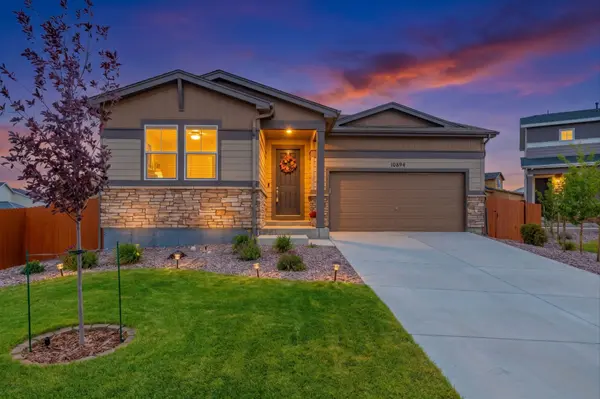
- More new construction options around the Springs, Peyton, Falcon, and Fountain, where master-planned communities are still building out.
- Denver's price premium buys you proximity to a bigger job base, more urban neighborhoods, and more walkable, dense areas closer to downtown.
What the 2026 Market Feels Like in Each City
Both markets have more breathing room for buyers than the frenzy years. The Denver metro ended September 2026 with 13,567 active listings, which DMAR reported as the highest September level since 2011, and about 4.76 months of inventory. Median days in the MLS was 32.
On the Pikes Peak side, the Pikes Peak Association of REALTORS reported a $450,000 median sale price across all property types for September 2026, with homes averaging 59 days on market. In August, El Paso County had 3,218 active single-family/patio listings.
Translation: in both cities, buyers can usually take a breath, negotiate, and ask for things like concessions or repairs more often than they could a few years ago. Sellers in both cities need sharp pricing and a home that shows well. Overpriced listings sit, and sitting listings get discounted. If you want the deeper dive on the local side, our Colorado Springs Real Estate Guide breaks it down.
Cost of Living Beyond the Mortgage
Your house payment isn't the whole story. A few other line items swing depending on which side of the Palmer Divide you land on.
Property Taxes, HOAs, and Metro Districts
Property taxes in Colorado depend on your home's assessed value and the combined mill levy for that exact address, which changes based on the school district, fire district, and any special districts layered on top. Two homes at the same price, a few miles apart, can carry noticeably different tax bills. Before you fall in love with a house in either city, look up the actual tax history for that property through the El Paso County Assessor or the Denver Assessor's office.
Metro districts deserve a special mention for Colorado Springs buyers. A lot of the newer communities around the Springs use metro districts to fund roads, water, parks, and other infrastructure, and that cost often shows up on your property tax bill. It isn't automatically good or bad. It's just something you need to price in from day one, not discover at closing.
And HOAs? They take their covenants seriously. Speaking from personal experience, we've received more than a handful of covenant notices for not pulling our trash cans back up the same day they were emptied. Read the rules before you buy. Then actually follow them. Learn from us.
Commuting and Getting Around
Colorado Springs is a driving city. Public transit exists, but most people get around by car, and the city's size means your commute depends heavily on which side of town you live and work on. Denver has a larger regional transit system and more neighborhoods where you can realistically walk to coffee, dinner, or work.
Jobs, Military, and the Economy
Denver is Colorado's largest job market, with a wider spread of corporate headquarters, tech, finance, healthcare, and government employers. If your industry is concentrated in the Denver metro, that matters a lot.
Colorado Springs has a very different identity. It's home to Fort Carson, Peterson Space Force Base, Schriever Space Force Base, the U.S. Air Force Academy, and Cheyenne Mountain Space Force Station, plus a big defense and aerospace contracting presence. For military buyers on PCS orders, the Springs is often the obvious choice because you can live near your installation instead of fighting I-25 every day.
For our military clients, the questions we hear most are about VA loans, timing a purchase from out of state, and which communities make sense for a specific installation. Our PCS Guide to Colorado Springs walks through all of it. Just remember we're Realtors, not your installation's housing office, so official military guidance always comes from your chain of command and base resources.
Living in Colorado Springs and Working in Denver (or Vice Versa)
Plenty of people try to get the Springs price with a Denver paycheck. It can work, especially if you're hybrid or remote a few days a week. Colorado Springs is roughly 70 miles south of Denver on I-25, so the drive is very doable on a good day and very not fun on a bad one.
A few things worth knowing:
- The I-25 South Gap is finished. CDOT completed the widening between Monument and Castle Rock, including express lanes, which helped one of the most notorious stretches of the drive. Details are on CDOT's I-25 South Gap project page.
- Bustang is an option. CDOT's Bustang South Line runs between Colorado Springs and Denver, with Springs stops at the Downtown Terminal on East Kiowa Street and the Woodmen Park-n-Ride near I-25 and Woodmen Road, per CDOT's announcement. Check the current schedule before you build your life around it.
- Weather is the wild card. Winter storms over the Palmer Divide can turn a routine commute into a long afternoon. If you'll be driving it regularly, plan for that.
- Where you live in the Springs matters. Northern areas near I-25 put you closer to the Denver side. If you live on the far east side like we do, add some time to get over to the interstate.
If you're seriously considering this setup, do a test drive at your actual commute times before you buy. Not on a Sunday morning. On a Tuesday at 7:15 a.m.
Lifestyle: Big-City Energy vs Mountain-Town Pace
This is where personal preference does most of the work.
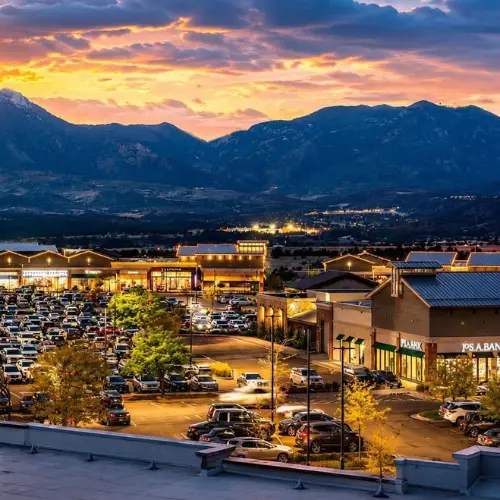
Denver brings the full big-city package: pro sports teams, a deep concert and restaurant scene, more nightlife, and a much busier international airport with far more nonstop routes. If you travel constantly for work, being near DEN is a real perk.
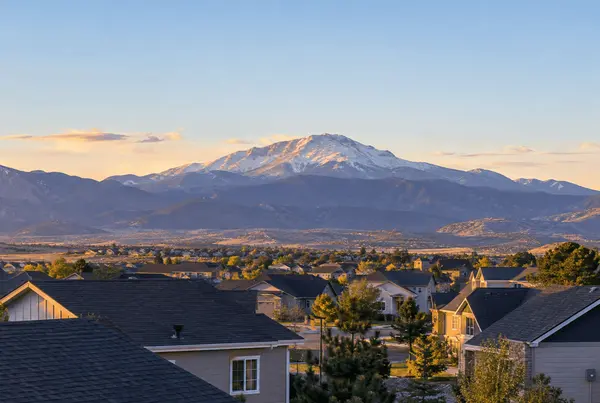
Colorado Springs sits right at the base of Pikes Peak, and the outdoors is basically part of the city. Garden of the Gods, trail systems, and quick access to the mountains are part of everyday life here. The pace is generally slower, and Colorado Springs Airport is smaller and simpler to get in and out of, though you'll have fewer direct flights. Plenty of Springs residents drive to DEN for bigger trips.
Community feel varies a lot by neighborhood in both cities. Out in Meridian Ranch, we host most of our community events at Longview Park and WindingWalk Park, two of our favorite spots in the neighborhood. That kind of local park and trail access is common in the newer master-planned communities around the Springs.
The Trade-Offs, Because We'll Be Straight With You
Every city has a catch. Here are the honest ones.
Colorado Springs Trade-Offs
- Smaller job market. If your career depends on Denver-based employers, you may end up commuting or limiting your options.
- Car dependence. The city is spread out, and most errands mean driving.
- Fewer flights. COS is easy, but it doesn't have DEN's route map.
- Metro districts and HOAs. Common in newer communities and easy to underestimate when budgeting.
- Wildfire considerations. Some areas, especially near the foothills and forested areas, come with wildfire mitigation and insurance considerations you'll want to research.
Denver Trade-Offs
- Higher home prices. The median gap is significant, and it shows up in your payment.
- Traffic and density. More people means more congestion, especially around the core.
- Smaller lots in many areas. Older urban neighborhoods often trade yard space for location.
- Farther from the Springs-area installations. For military buyers stationed in the Springs, Denver usually doesn't make sense.
So Which One Should You Choose?
Here's how we'd boil it down:
- Start with work. If you have to be in an office in central Denver five days a week, living in the Springs is possible, but you'll pay for it in time.
- Run the real numbers. Compare actual payments, including taxes, HOA dues, metro district costs, and insurance, on specific homes, not just median prices.
- Be honest about lifestyle. Do you want walkable city living, or more space and the mountains outside your window?
- Visit both, on weekdays. Drive the commute, run errands, and see what daily life actually feels like.
If you're leaning toward the Springs, our Best Places to Live in Colorado Springs guide is a good next step for narrowing down areas.
Frequently Asked Questions
Is Colorado Springs cheaper than Denver?
Yes, housing is generally cheaper in Colorado Springs. In the most recent reports, the El Paso County median single-family sale price was about $475,000 (August 2026), compared with a $650,000 year-to-date median detached price for the Denver metro (through September 2026). Your actual costs will depend on the specific home, taxes, HOA, and metro district fees.
How far is Colorado Springs from Denver?
Colorado Springs is roughly 70 miles south of Denver along I-25. Drive time depends heavily on traffic, weather, and where exactly you start and end, so test the trip at the times you'd actually be driving.
Can you live in Colorado Springs and commute to Denver?
Yes, people do it, though it works best for hybrid or remote schedules. The completed I-25 South Gap project and CDOT's Bustang South Line help, but a daily round trip is a big time commitment, especially in winter.
Which city is better for military buyers?
For anyone stationed at Fort Carson, Peterson SFB, Schriever SFB, the Air Force Academy, or Cheyenne Mountain SFS, Colorado Springs is usually the practical choice because you can live close to your installation. Buckley Space Force Base is in Aurora, on the Denver side. Always confirm official PCS and housing details with your installation.
Is the housing market better for buyers in Colorado Springs or Denver right now?
Both markets have more inventory and more room to negotiate in 2026 than in recent years. Denver ended September 2026 with about 4.76 months of inventory, and Pikes Peak-area homes averaged 59 days on market in September. Conditions change by price point and neighborhood, so look at the data for the specific areas you're considering.
Do Colorado Springs homes have metro district fees?
Many newer communities around Colorado Springs do. Metro districts often fund infrastructure through additional property tax mills, so check the property's tax history and disclosures before you make an offer.
Thinking About Making the Move?
If you're weighing Colorado Springs vs Denver, we'd love to help you run the real numbers, compare communities, and figure out what actually fits your life and your budget. No pressure, just straight answers. Call or text Crystal Sisler and Shawn Bedel with Everyday Properties & Investments, powered by eXp Realty, at 719.238.1771.
Categories
Recent Posts